The sky today · no sign-up
Today's horoscope — and how a personal forecast differs from it
Below is the real sky for today: the Moon's phase, its nakshatra and the overall tone of the day. It is identical for everyone — this is astronomy, not prophecy. A forecast becomes personal only once your own birth chart is added to that sky.
Energies of the Day
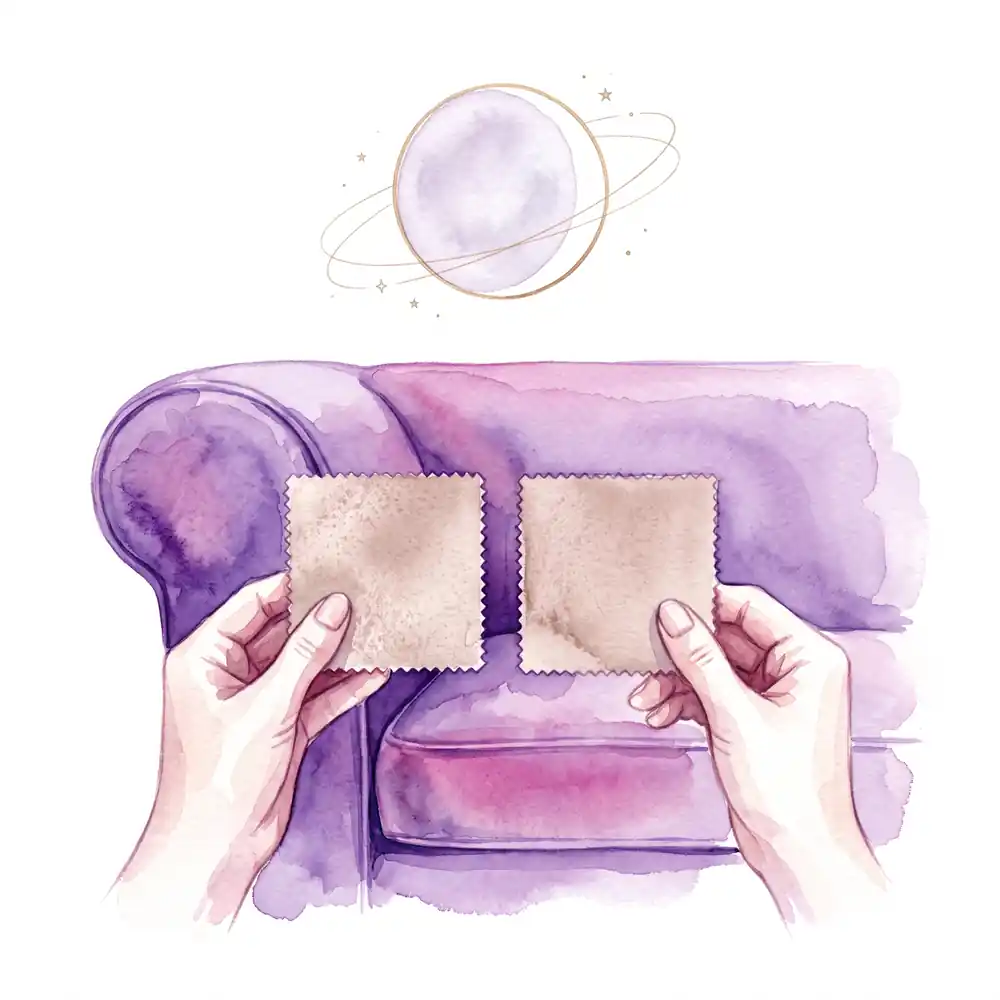
Choosing Between Two Beiges
“On a day like this there's a temptation to spend ages choosing something very simple.”
Read the issue →Practice of the day3 min
A Wish Without "Or". If you feel like making a wish on the new Moon tonight, make one, and without an "or" ✍️ One clear wish sounds far more sure of itself than "either this or that."
This is the shared sky: it is the same for everyone who opens this page today. A forecast becomes personal once these transits are read against your own birth chart.
The Moon's position and phase are computed with Swiss Ephemeris — the same astronomical library professional astrology software runs on.
What a horoscope actually is
A horoscope is a map of the sky for one specific moment: where the Sun, the Moon and the planets stand relative to the horizon and to each other. In the strict sense a horoscope is always cast for a moment and a place — a person's birth, the start of a venture, the asking of a question. What gets published in feeds under the headline “today's horoscope” is a different thing: one text written for a twelfth of humanity, grouped by a single parameter — where the Sun stood on the day they were born. Both uses of the word are legitimate, but they describe different objects, and confusing the two is the main reason astrology reads as entertainment.
Sun-sign horoscope vs. chart-based forecast: what actually differs
| Compared on | Sun-sign horoscope | Forecast from your birth chart |
|---|---|---|
| What goes in | The Sun sign alone: a birth date without year, time or place | Date, exact time and place of birth — the whole chart |
| How many people get the same text | Roughly every twelfth person on Earth | One person: two identical charts practically do not occur |
| What is described | The general mood of the day | Transits to the points of your chart and the life period you are in |
| Can you see the reasoning | Usually not — text with no calculation under it | Yes: which planet, to which point of the chart, in which aspect |
| What it is good for | Ritual, conversation, entertainment | Timing: when to start, when not to argue, when to recover |
What a day is made of
Four layers that together produce what is usually called a daily horoscope. The first three are identical for everyone; the fourth is yours alone.
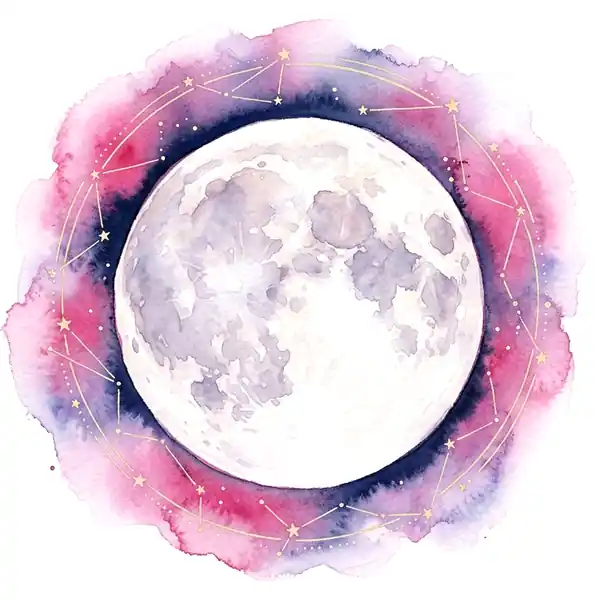
The Moon's phase
Twenty-nine and a half days from one new Moon to the next. The waxing half of the cycle is traditionally associated with gathering and beginnings, the waning half with finishing and letting go. It is the fastest and most visible rhythm in the sky.
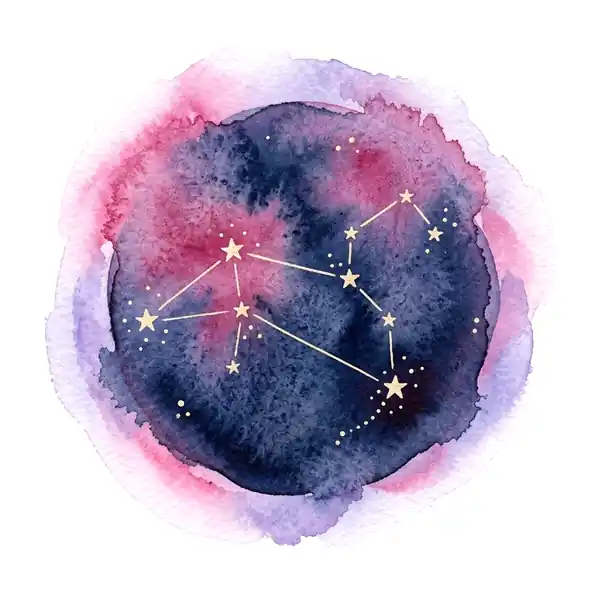
The Moon's nakshatra
The Indian tradition divides the Moon's path not into 12 signs but into 27 lunar mansions — nakshatras. The Moon crosses one in roughly a day, which is why a nakshatra characterises a specific date far more precisely than a sign does.
The weekday and its planet
Each day of the week is classically assigned a planet: Monday the Moon, Tuesday Mars, Wednesday Mercury, Thursday Jupiter, Friday Venus, Saturday Saturn, Sunday the Sun. The names of the days in most European languages come from exactly this.
Transits to your chart
The layer no sun-sign horoscope contains. The same planets standing in the sky today form aspects to the points of your own birth chart — which is precisely why the same date looks different for two people.
Frequently asked questions
How does a daily horoscope differ from a personal forecast?
A daily horoscope in the familiar sense is built on one parameter — the Sun sign — so roughly a twelfth of all people receive the same text. A personal forecast is built on your birth chart: the date, exact time and place of birth. It shows which transits touch the points of your own chart today and which life period you are currently in.
Can I see today's sky for free?
Yes. The “sky today” block on this page is open without sign-up: the Moon's phase, its nakshatra, the planet of the day and the overall tone are computed identically for everyone. An account is only needed for the personal forecast — the one computed from your birth chart.
Why do sun-sign horoscopes so often miss?
Because they describe a twelfth of the population with a single text and know neither your birth time, nor your birth place, nor the period of life you are in. The Sun sign is one parameter out of the several dozen a chart contains. That does not make it meaningless, but precision is not what it can offer.
What is a nakshatra and why does it appear in a forecast?
A nakshatra is one of the 27 lunar mansions into which the Indian astronomical tradition divides the Moon's path across the sky. The Moon crosses one nakshatra in roughly a day, so it distinguishes one date from the next far more finely than a zodiac sign, which the Moon takes about two and a half days to cross.
Does the forecast predict events?
No. SidusVita describes the astronomical situation and how that situation is traditionally read in astrology — so that you can choose your timing and name more precisely what is already happening to you. It is a tool for self-reflection, not a prediction, and not a substitute for medical, legal or financial advice.
What do I need to build a personal forecast?
Your date, time and city of birth. Time determines the Ascendant and the houses, so the more precise it is, the more precise the forecast. If the time is unknown the calculation still runs — some layers become unavailable, and we say so plainly rather than filling the gap.
Where to go next
Your solar year
The same sky, read across a whole year: the chart cast for the second the Sun returns to its birth position, its twelve solar months and the windows that carry more weight.
Read about the solar returnBirth chart
A free birth chart calculation: planets by sign and house, the Moon and its nakshatra, and the dasha period you are living through.
Calculate my chartNakshatras
All 27 lunar mansions, plus a free calculation of your own: the nakshatra of your Moon, Sun and Ascendant from your birth data.
Explore nakshatrasMethodology
How the calculation actually works, where the ephemeris comes from, where interpretation stops and what we deliberately do not promise.
Read the methodologySidusVita is a tool for self-reflection. The astrological calculations and interpretations on this page are not medical, legal, psychological or financial advice, and they do not predict events.